Hydro Jetting in Columbia SC: High Pressure Drain and Sewer Line Cleaning
Professional drain jetting and sewer line jetting for homes and businesses across Columbia and the Midlands
Hydro Jetting Services in Columbia SC
High pressure pipe cleaning that restores full flow to drain and sewer lines for Columbia homes and businesses
Hydro jetting uses high pressure water, up to 4,000 psi and beyond, to scour grease, tree roots, scale, and sludge out of drain and sewer lines. It cleans the full pipe wall instead of punching a hole through the clog the way a cable machine does. Plumb Time Plumbing and Drain Services provides the hydro jetting Columbia SC homeowners and businesses rely on for blocked sewer lines, recurring backups, and preventative maintenance. Master Plumber Manny Anderson and his crew inspect every line with a sewer camera first, then match the pressure to your pipes. Call (803) 988-9202 for a quote before any work begins.
How Sewer Line Hydro Jetting Works
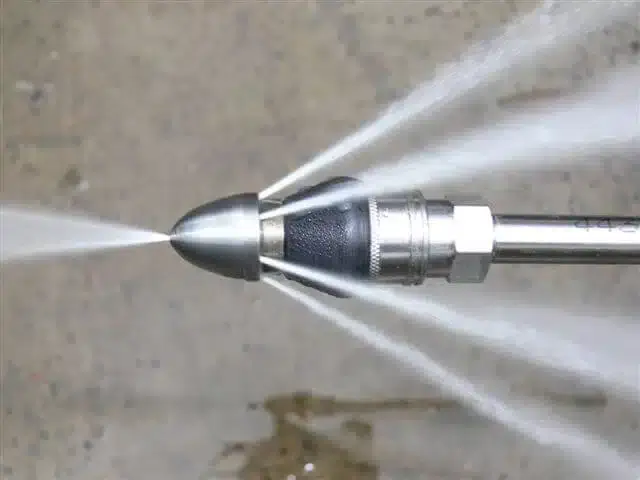
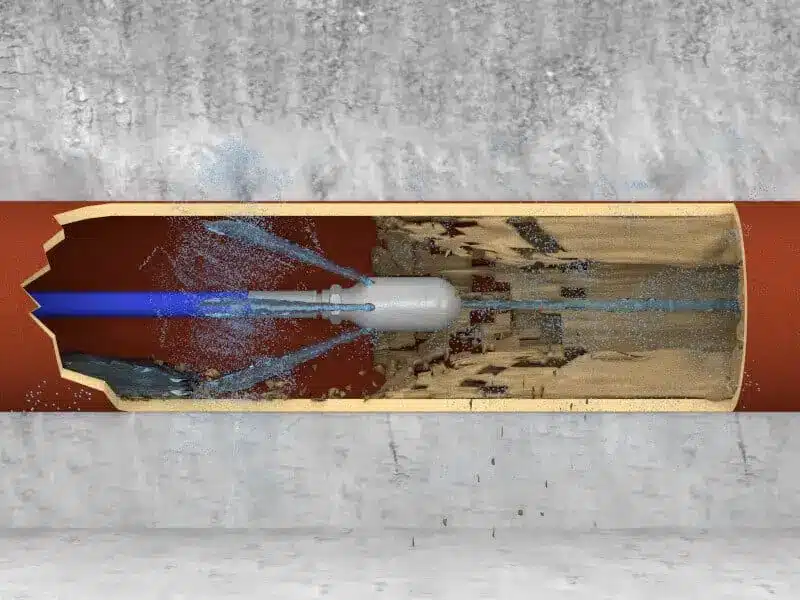
Hydro jetting starts at your cleanout, the capped access point to your sewer line. A flexible high pressure hose feeds into the pipe with a specialized nozzle on the end. Forward jets cut through the blockage while reverse jets propel the hose deeper and flush loosened debris back toward the cleanout and safely down the line. The water does all the work. No blades, no chemicals, nothing left behind in the pipe.
A cable machine bores a hole through a clog and leaves the buildup on the pipe walls. Sewer line jetting removes the buildup itself: grease, sand, silt, scale, and the root intrusions that catch everything flowing past them. We run the pressure to match the pipe, because cast iron, PVC, and older clay lines each tolerate different psi, and knowing the difference is what separates cleaning a line from damaging one. That is why every hydro jetting visit begins with a camera pass to confirm what the pipe is made of and what shape it is in.
Advantages of Hydro Jetting
- Cleans the full pipe wall, not just a hole through the clog
- Plain water only, no harsh or corrosive chemicals
- Cuts through grease, sludge, scale, and tree roots
- Safe for sewer and drain pipes when pressure is matched to the material
- Longer lasting results than cable snaking alone
How Much Pressure Does Hydro Jetting Use?
A pressure washer from a big box store runs around 2,000 to 3,000 psi and strips paint off concrete. A jetting rig is a different class of machine. Most residential sewer line work runs between 1,500 and 4,000 psi, and commercial rigs can push well beyond that when the pipe calls for it. The nozzle matters as much as the number: different heads exist for cutting roots, emulsifying grease, and descaling pipe walls, and choosing the wrong one wastes the pressure or risks the pipe. More pressure is not automatically better. The right pressure for the pipe in front of you is.
Water at these pressures deserves respect. It can cut, and it can find every weak point in a compromised line, which is why hydro jetting is never a DIY project and never a rental counter job. An experienced, properly trained professional knows how to protect you, your property, and the pipe itself. That is also why we camera the line before jetting it: a pipe that is cracked, collapsed, or badly corroded should not be jetted at all. If the inspection shows a line past saving, we tell you straight, and this guide on when a sewer line needs replacement covers what that looks like.

What Hydro Jetting Removes From Your Pipes
Grease is the number one offender in Columbia kitchen lines. It goes down the drain warm and liquid, then cools and hardens on the pipe walls, and every pass of wastewater adds another layer until the opening is a fraction of its original size. A cable punches through grease and the hole closes back up within weeks. Drain jetting emulsifies the grease and flushes it out of the line entirely, which is why restaurants have their lines jetted on a schedule instead of snaked on a crisis.
Tree roots are the other repeat customer. Roots find the joints in older clay and cast iron lines, enter as fine hairs, and grow into a mat that catches paper and waste. Root cutting nozzles sever the intrusion and clear the debris in the same pass. Hydro jetting also strips out mineral scale, rust flakes, sand, and the black sludge that builds in low spots where a line has settled. If backups keep returning to the same fixture, this main sewer line clog guide explains the warning signs, and a jetted line is usually the permanent version of the fix.
Jetting or Snaking: Matching the Method to the Clog
Every blocked line presents the same question: cable or water? A drain snake, also called a cable machine or auger, spins a steel cable through the pipe until it bites into the blockage and clears a path. It is fast, inexpensive, and the right first move for simple problems like a paper clog or a single root strike. Hydro jetting is the deeper remedy. It restores the pipe to its full working diameter instead of drilling a passage through the problem and leaving the buildup behind.
We carry both on the truck, and the honest answer is that neither method wins every job. The clog type, the pipe material, the age of the line, and how many times this same backup has returned all weigh in. Here is how the two compare when they go head to head.
Hydro Jetting vs Snaking: The Side by Side
When the hydro jetting vs snaking question comes up, the pattern is simple: snaking treats the symptom, hydro jetting treats the pipe. For a one-time clog, the snake earns its keep. For the third backup in a year, paying to clear the same line a fourth time is the expensive choice.
When Hydro Jetting Is the Right Call
The clearest signals: backups that keep returning to the same drain, more than one slow fixture at once, gurgling from a floor drain when the washing machine empties, and sewer odor from drains that see daily use. Kitchen lines carrying years of grease, main lines with root history, and any pipe the camera shows coated in scale are all strong candidates. Our guide to drainage line cleaning covers the warning signs in more depth.
Columbia’s ground works against sewer lines in ways newer cities never see. The clay soil across the Midlands swells when it rains and shrinks in our long dry summers, and that movement opens joints in older lines just enough for roots to find them. Neighborhoods with mature oaks and willows shading the street usually have those same trees hunting the sewer lines below it. Add the older clay and cast iron pipe still serving many homes on both sides of the river, and you have the exact conditions hydro jetting was built for: lines that clog from the outside in, not just the inside out.
Late summer is when we see it most. Roots chase water hardest in dry months, and a line that drained fine in spring backs up by August. If that pattern sounds familiar, the pipe is telling you what it needs.
For everyday fixture clogs, a standard drain cleaning visit handles the job, and jetting stays in reserve for lines that need the full reset. Part of doing this work honestly is telling you when the smaller service is enough.
Why We Camera the Line First
Jetting blind is guessing with thousands of psi. The camera pass tells us three things before the water ever turns on: what the pipe is made of, where the blockage sits, and whether the line is sound enough for hydro jetting at all. Cast iron with heavy scale takes a different nozzle and pressure than PVC with a grease problem. A cracked or collapsed section rules jetting out entirely and saves you from paying to make a bad pipe worse. After the work, a second camera pass confirms the line is clean, so you see the result instead of taking our word for it.
What a Hydro Jetting Visit Looks Like
Tanya answers your call, gathers the history of the line, and gets you on the schedule. On site, we locate the cleanout, run the camera, and walk you through what it shows before quoting the work. Nothing starts until you approve the number. The jetting itself usually takes an hour or two for a residential main, longer for heavy grease or root mats. We finish with the verification pass on camera, leave the work area as we found it, and you get a line restored to its full diameter, not a temporary path through the problem.
Residential and Commercial Hydro Jetting in Columbia
For homeowners, sewer line jetting is most often the answer to a main line that backs up every few months, a kitchen stack that drains slower every year, or roots working through the joints of an older clay line. Most residential jobs finish the same day, cleanout to cleanout, with camera verification included.
Restaurants, offices, and rental properties run their drain jetting on a schedule for the same reason they change HVAC filters: planned maintenance costs less than emergency shutdowns. Grease-heavy kitchen lines especially reward a standing interval. One call sets the cycle, and the hydro jetting Columbia SC businesses book with us stays a line item instead of a Saturday night crisis.
Preventative Hydro Jetting Maintenance
The best time to jet a line is before it backs up. Columbia Water reports spending 1.5 million dollars and 4,500 crew hours every year clearing grease clogs from the city’s own sewer mains, and their Trash the Grease program exists because the same buildup happens on the private side of the line, inside the pipes you own. What the city does for its mains, scheduled cleaning before the blockage forms, works exactly the same way for the sewer line running under your yard.
For most Columbia homes, one preventative hydro jetting visit every one to two years keeps a problem line clear, and lines with root history or heavy kitchen use may warrant a standing schedule. Compare that to the alternative: a backup always arrives at the worst time, usually a holiday weekend with a house full of guests, and cleanup costs more than the cleaning ever would.
If your line has already given you a warning, do not wait for the second one. Contact Plumb Time Plumbing and Drain Services today. Master Plumber Manny and crew will camera the line, tell you honestly whether it needs jetting now or can wait, and set a schedule that fits, alongside any other plumbing services your home needs.
Request a Quote
Hydro Jetting Questions Columbia Homeowners Ask
These are the questions we hear most on hydro jetting calls across the Midlands. If yours is not answered here, call (803) 988-9202 and Tanya will get you a straight answer, because the hydro jetting Columbia SC homeowners book with confidence starts with knowing exactly what to expect.
Is hydro jetting safe for older pipes?
Yes, when the pressure is matched to the pipe. We camera every line first to confirm the material and condition, then set the psi accordingly. Cast iron, clay, and PVC each tolerate different pressure. A line that is cracked or collapsed should not be jetted at all, and the inspection is what catches that.
How long does hydro jetting last?
Most properly jetted lines stay clear for years. Results depend on what caused the clog: a grease line stays clean until new grease builds, and root-prone lines benefit from a scheduled return visit. Compare that to cable snaking, which often buys only weeks on a recurring clog because the buildup remains.
How long does a hydro jetting visit take?
Most residential hydro jetting jobs finish in one to three hours, cleanout to cleanout. That includes the camera inspection before the work, the jetting itself, and the verification pass after. Heavy grease, long runs, or thick root mats can extend the visit, and we tell you the expected time before we start.
What does hydro jetting cost in Columbia SC?
Every hydro jetting job is quoted before any work begins, after the camera pass shows what the line needs. Price depends on the length of the run, the severity of the buildup, and access to the cleanout. You approve the number first, so there are no surprises on the invoice when the job is done.
Hydro jetting vs snaking: which one do I need?
Snaking is right for a simple one-time clog, and jetting is right when the problem keeps coming back. The hydro jetting vs snaking question usually answers itself from the history of the line: first backup ever, snake it; third backup this year, the pipe needs actual cleaning, not another hole through the clog.
Can hydro jetting damage my pipes?
Not when it is done by a trained professional on a sound pipe. Damage happens when the wrong pressure or nozzle meets a compromised line, which is exactly why we inspect first and refuse to jet a pipe that will not take it. In the right hands, jetting is gentler on pipes than repeated cable passes.
Do you offer hydro jetting for businesses as well as homes?
Yes, we jet both residential and commercial lines across the Columbia area. Restaurants and other grease-heavy kitchens are the most common commercial schedules, usually on a standing interval. Homeowners typically call us for recurring main line backups, root intrusion, and preventative cleaning before problems start.
Will hydro jetting remove tree roots for good?
Jetting clears the roots that are in the pipe today, and it does it more thoroughly than any cable. Permanence depends on the pipe: roots entered through a joint or crack, and they can return through the same opening. The camera pass shows whether the entry point needs a repair to make the fix permanent.